
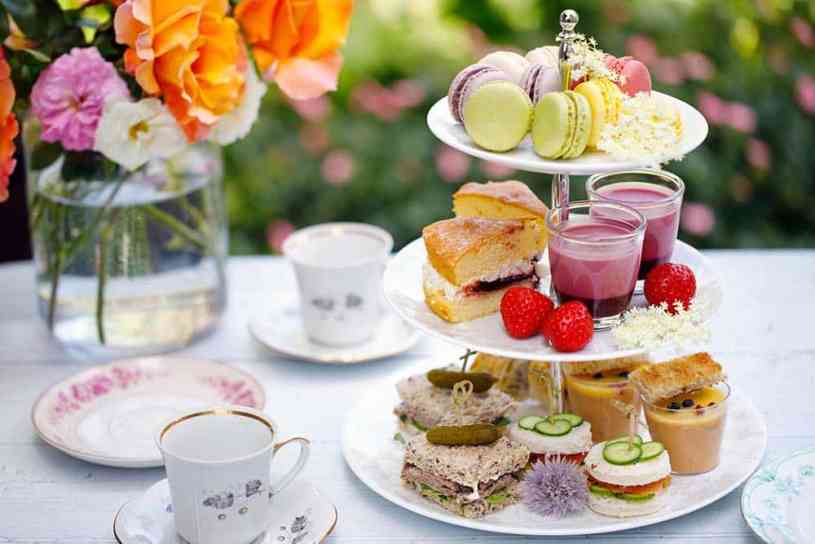
Three in the afternoon is an awkward hour to feed people. Lunch is over, dinner is distant, and attention is fading. That is precisely why a mid-afternoon spread works so well for seminars, baby showers, farewells and open houses: it asks little of the appetite and gives everyone a reason to stand up and talk. Organisers who book high tea catering singapore providers for the first time often treat it as a small lunch. It is a different kind of meal, with its own timing, portions and pitfalls.
Two O’Clock: Why the Hour Shapes the Food
Guests at this hour have eaten recently. They want a few bites, not a plate piled high, and they will eat standing, with a cup in the other hand. So the food must be small, tidy and manageable with two fingers or a toothpick. Anything needing a knife, a bowl or a seat belongs to another meal.
What Usually Sits on the Table
A typical spread mixes local and Western items. Expect sandwiches cut small, mini pastries or tarts, and one or two fried savouries such as spring rolls or curry puffs. Alongside these come kueh in several colours, perhaps a noodle dish in a modest tray for anyone who missed lunch, and fruit. Six to eight items is common for a small group. Variety matters more than volume here, because people graze, returning two or three times for something different each visit.
Half Past Two: Delivery and the Empty Table
Food normally arrives within a booked window ahead of serving. Use that margin to prepare the surface: a cloth, cups stacked upside down, napkins in two places, a bin within sight. If the venue is an office or a function room, tell security and check the lift. If it is a home, clear the dining table fully. Trays arrive covered and should stay covered until guests are ready, particularly pastries, which dry under air-conditioning, and kueh, which attract attention from insects outdoors.
Sweet Against Savoury
The commonest mistake is a table that is three quarters sugar. By the second visit guests want salt. A workable balance leans slightly savoury, with sweets as the accent. Count the items on any menu you are considering and sort them into the two groups. When looking through afternoon tea sets for small groups, favour those that let you choose the mix yourself. If the set is fixed and sweet-heavy, ask whether one cake can be exchanged for a sandwich or a fried item.
Three O’Clock: The First Rush
When the break is announced, everyone reaches the table within two minutes. A single queue along one side jams at once. Pull the table away from the wall if you can, so both sides are open, and put drinks on a separate surface a few steps away. Place the most popular savoury at the far end, not the near one, to draw people along.
Tea, Coffee and Something Cold
Hot drinks define the occasion but are the hardest part to deliver well. Ask how tea and coffee are supplied: in insulated dispensers, as sachets with a hot water urn, or not at all. Check whether milk, sugar and stirrers are included. In Singapore’s climate a cold option, such as iced lemon tea or a fruit cordial, will be finished before the hot ones.
Half Past Three: Guests Who Cannot Share the Table
Dietary needs are easy to overlook at a light meal. They still apply. For Muslim guests, the caterer should hold current halal certification from Muis, which you can ask to see. Vegetarians need more than fruit, so check which savouries are meat-free. Pastries and kueh often contain egg, dairy, nuts or coconut, and fillings are invisible from outside. Small tent cards naming each item and its main allergens take ten minutes to write and spare guests from asking the host about every tray.
Four O’Clock: The Label and the Leftovers
Catered food carries a label showing when it was prepared and the time by which it should be eaten, generally a few hours on. A tea break rarely runs that long, but a drawn-out open house can. Check the label on arrival and announce a last call before the limit. Cream-filled and egg-based items are the most sensitive. After that hour, discard what is left. It is tempting to send guests home with boxes, yet food that has sat out all afternoon is not a kindness.
Matching the Spread to the Occasion
The same menu does not suit every event. A corporate seminar wants neat, dry, odourless items that can be eaten in a suit. A baby shower or birthday welcomes colour, more sweets and something children like. A farewell in the office pantry needs only four or five items and a cake. A wake or prayer gathering calls for restraint and simple, familiar food. Tell the caterer what the occasion is. Experienced staff will steer you away from choices that look wrong in the room.
Planning Backwards From Three
Fix the serving time first, then work back. Delivery window before it. Order cut-off some days earlier, longer near festive seasons. Headcount and dietary list before that. Choose six to eight items leaning savoury, settle the drinks question, and confirm what the price includes, from disposables to delivery. With those points written down, the booking takes one call. To see what a typical selection looks like, browse a caterer’s tea reception menus and finger food and compare two or three sets against your own list.

