
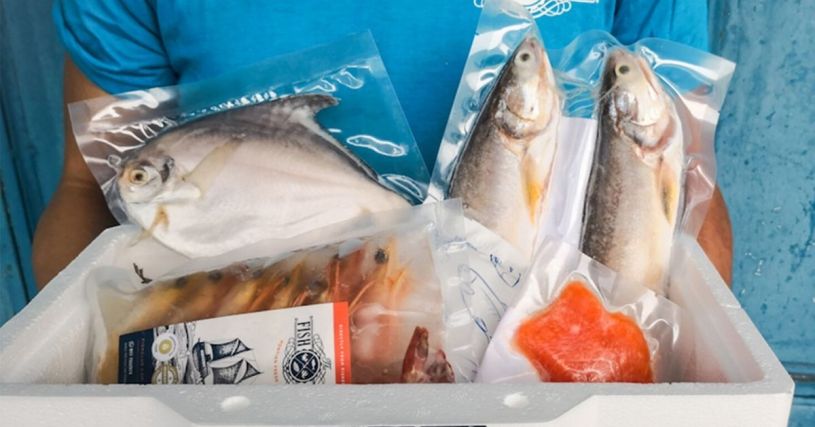
A decade ago, buying fish online in Singapore usually meant frozen fillets from a supermarket delivery slot, chosen more for convenience than quality. That’s changed considerably. Dedicated online seafood retailers now compete directly with wet markets and fishmongers on freshness, offering chilled and even live seafood delivered within tight windows, backed by cold chain logistics that most home cooks never see but benefit from every time a delivery arrives properly packed. Buying seafood this way rewards a bit of homework, since you’re trusting a photo and a product description rather than your own eyes and nose at a stall. Home dining culture has grown alongside this shift, with more households cooking restaurant-style seafood dinners on ordinary weeknights instead of saving fish for special occasions, which has pushed demand for reliable delivery high enough that several retailers now specialize in nothing else.
The Shift From Wet Market to Web Browser
Wet markets built Singapore’s seafood culture, and many still offer excellent fish handled by fishmongers who’ve been reading the catch for years. What’s shifted is convenience and consistency: online retailers can standardize their sourcing, negotiate directly with fisheries or auction markets, and ship product through a controlled cold chain that a small stall often can’t replicate. For time-pressed households, particularly younger buyers who didn’t grow up haggling at a market, ordering seafood through a website or app has become the default rather than the exception. That doesn’t make wet markets obsolete, but it does mean the two channels are now solving slightly different problems for the same shopper.
What Changes When Fish Travels Through a Website Instead of a Stall
At a physical stall, a buyer can press a fillet to check firmness, smell it, and watch how it’s cut and wrapped. None of that is available online, so the burden shifts to the retailer to communicate quality through other means: clear product photography, accurate descriptions of origin and catch method, and honest labelling of whether something is fresh-chilled, previously frozen, or flash-frozen at sea. A retailer that’s vague about these details, using generic stock photos or skipping species names in favor of broad categories like “white fish,” is usually one worth avoiding. Specificity is a reasonable stand-in for the inspection you’d normally do with your own hands.
Checking Freshness Indicators You Can’t Touch or Smell
Since texture and smell aren’t available before purchase, other signals matter more. A retailer’s description of their own sourcing cycle is worth reading closely, including how often stock is replenished and where the fish comes from geographically, since vague answers on this point usually mean the supplier hasn’t thought much about it either. Reviews and repeat-order patterns tell you something too, since seafood is one category where customers notice quality drops quickly and tend to say so. Packaging descriptions are worth reading closely as well, because proper chilled seafood delivery typically involves insulated boxes, gel packs or dry ice depending on the product, and delivery windows tight enough to avoid the fish sitting at ambient temperature for hours between dispatch and arrival. Product weight and cut information matters here too, since a listing that specifies exact grams per portion and how the fish was filleted tends to come from a supplier who packs to order rather than guessing at quantities in advance.
Packaging and Delivery Windows That Matter
Singapore’s climate makes packaging and delivery timing genuinely important rather than a minor detail. A box of fish left on a doorstep in afternoon heat for even thirty minutes can undo a well-managed cold chain that held up perfectly until the last mile. Reliable online seafood sellers tend to offer scheduled delivery windows rather than vague same-day promises, partly so someone is available to receive the order and refrigerate it immediately. If a retailer doesn’t specify how they handle the final leg of delivery, that’s worth asking about directly before placing a large order, especially around gatherings or festive periods when delivery networks are under more strain.
Comparing Frozen, Chilled, and Live Options
Not every category of seafood needs the same treatment, and a good online seafood retailer will usually offer a mix of chilled, frozen, and occasionally live product depending on the species. Chilled fish, kept just above freezing and never previously frozen, is generally the right choice for anything meant to be eaten raw or lightly seared. Flash-frozen seafood, when done properly at very low temperatures shortly after catch, can actually preserve quality better than fish that’s been sitting chilled for several days, which is worth remembering before assuming fresh always beats frozen. Live seafood, mainly shellfish and certain crustaceans, sits in its own category entirely and requires delivery methods built specifically around keeping the animal alive until preparation.
Building Trust With an Online Seafood Supplier
Buying seafood online in Singapore ultimately comes down to trust built over a few orders rather than one. Start with a smaller purchase to judge packaging, delivery punctuality, and product quality before committing to a larger order for a dinner party or family gathering. Pay attention to how a retailer responds if something does go wrong, since a bruised delivery box or a delayed courier will happen eventually with any logistics chain, and how that’s handled says more about reliability than any marketing copy. Over a handful of orders, patterns emerge that tell you whether a supplier treats cold chain seafood as a genuine specialty or as an afterthought bolted onto a general grocery operation.
The best online seafood buying experiences in Singapore share a few traits: clear sourcing information, packaging built for the local climate, and a track record you can verify through repeated small orders before trusting a supplier with anything larger. None of that requires guesswork once you know what to look for on the page in front of you, and the households that shop this way regularly tend to develop the same instincts a fishmonger would, just applied to a screen instead of a stall.

