
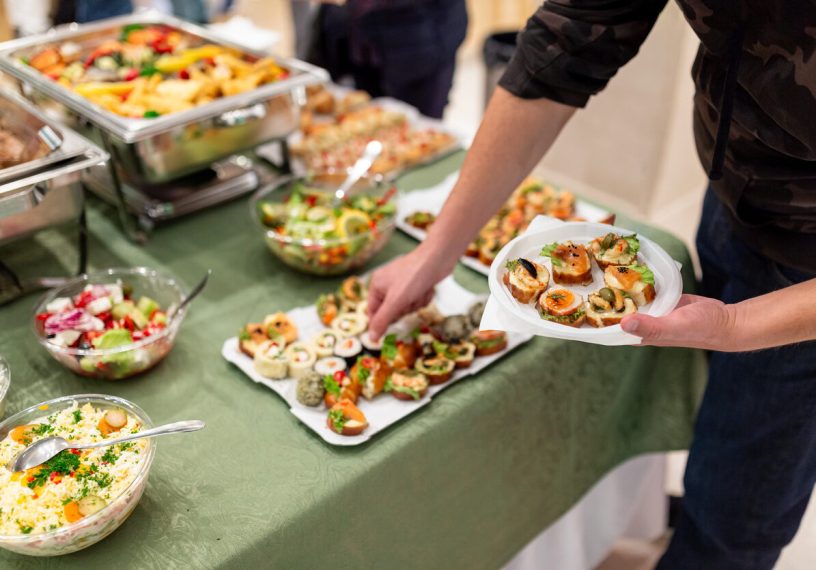
Halal wedding catering plays a vital role in ensuring that wedding celebrations are both inclusive and respectful of cultural and religious traditions. For many Muslim couples, selecting halal catering is essential for adhering to dietary laws and offering their guests a meal that aligns with their values. This article delves into the nuances of halal wedding catering, highlighting its importance and offering practical advice for planning an unforgettable halal feast.
Understanding Halal Wedding Catering
Halal catering is defined by its adherence to Islamic dietary laws. The term “halal” means permissible in Arabic, and halal food must be prepared according to specific guidelines set out in the Quran and Hadith. Key principles include the humane slaughter of animals, the avoidance of certain prohibited substances, and the segregation of halal and non-halal food items.
What sets halal wedding catering apart from other catering options is its commitment to these dietary laws. Halal catering providers ensure that every aspect of food preparation meets these religious requirements, from sourcing ingredients to cooking and serving the dishes. This dedication not only meets religious standards but also enhances the overall dining experience by offering dishes that are both authentic and thoughtfully prepared.
The Significance of Halal Catering in Wedding Celebrations
For Muslim weddings, halal food is more than just a dietary choice—it’s a reflection of cultural and religious values. Serving halal food demonstrates respect for Islamic practices and provides an inclusive environment for all guests. It also accommodates dietary restrictions that many guests may have, ensuring that everyone can enjoy the celebration without concern.
Halal catering elevates the wedding experience by ensuring that every guest, regardless of their dietary needs, can partake in the festivities. This inclusivity helps create a harmonious atmosphere, allowing guests to fully engage with the celebration without any reservations about the food.
Choosing a Halal Catering Service
Selecting the right halal catering service is crucial for ensuring that your wedding meal meets your expectations and adheres to halal standards. When choosing a halal caterer, consider the following factors:
Halal Certification:
Verify that the caterer is certified by a reputable halal certifying body. This certification guarantees that the food is prepared according to halal standards.
Reputation and Experience:
Look for caterers with experience in providing halal wedding catering services. Check reviews and testimonials to gauge their reliability and quality.
Menu Options:
Ensure the caterer offers a variety of halal dishes that align with your preferences and the theme of your wedding. Discuss your specific requirements and any customisation options available.
By asking these key questions and doing your research, you can select a halal catering provider that delivers both authenticity and excellence.
Popular Halal Wedding Menu Options
Halal wedding menus can range from traditional dishes to modern culinary creations, catering to diverse tastes and preferences. Some popular halal menu options include:
Traditional Halal Dishes:
Classic choices such as biryani, kebabs, and chicken curry are beloved staples that provide a hearty and flavourful experience.
Modern Halal Creations:
For a contemporary twist, consider dishes like gourmet sliders, fusion cuisine, or elaborate appetizers that showcase innovative flavours.
Customised Menus:
Work with your caterer to create a bespoke menu that reflects your personal tastes and wedding theme. This can include special dietary considerations and preferences.
Offering a range of halal menu options ensures that your guests enjoy a diverse and memorable dining experience, tailored to their individual tastes.
Planning and Budgeting for Halal Wedding Catering
Effective planning and budgeting are essential for managing halal wedding catering successfully. Here are some tips to consider:
Cost Estimation:
Obtain detailed quotes from potential caterers and compare them to your budget. Consider factors like the number of guests, menu complexity, and additional services.
Balancing Traditional and Modern Dishes:
Create a menu that blends traditional halal dishes with modern elements to appeal to a wide range of tastes while staying within budget.
Practical Tips:
Communicate clearly with your caterer about your expectations and any specific requirements. Plan for contingencies, such as dietary restrictions or last-minute changes.
By carefully managing your catering budget and planning effectively, you can ensure a smooth and enjoyable dining experience on your wedding day.
Ensuring a Memorable Catering Experience
To make your halal wedding catering truly memorable, consider these strategies:
Presentation and Service:
Pay attention to the presentation of the food, as well as the professionalism of the service. Well-presented dishes and attentive service enhance the overall dining experience.
Guest Feedback:
After the event, gather feedback from guests to assess their satisfaction and identify areas for improvement. This information can be valuable for future events or recommendations.
Creating a memorable catering experience involves not only delivering high-quality food but also ensuring that every aspect of the dining experience is handled with care and attention to detail.
Takeaway
Choosing halal wedding catering is an important decision that enhances your celebration by respecting cultural and religious traditions while offering a delightful dining experience for all guests. By understanding the principles of halal catering, selecting the right service, and planning thoughtfully, you can ensure a memorable and inclusive wedding feast. Explore diverse culinary options and enjoy the process of crafting a special meal that honours your values and satisfies your guests.
 Food Recipes Ideas