
In the vast and diverse world of rice, one variety stands out for its aromatic allure, slender grains, and unmatched flavour – Basmati rice. It’s not just rice; it’s a culinary experience that has been enchanting food enthusiasts for centuries. However, not all basmati rice is created equal. Understanding basmati rice quality standards is the key to elevating your dining experience, and ensuring your tastebuds and culinary soul get to experience the very best there is. In this blog post, we embark on a flavourful journey through basmati rice, exploring the nuances of rice quality that can transform your meals from ordinary to extraordinary.
Basmati Rice Quality Standards:
What Defines Basmati Rice Quality?
Basmati rice, known as the “Queen of Fragrance,” is renowned for its unique characteristics – long grains, subtle aroma, and fluffy texture. But what sets apart the Indian best basmati rice from the rest? Let’s explore the factors that contribute to basmati rice quality standards.
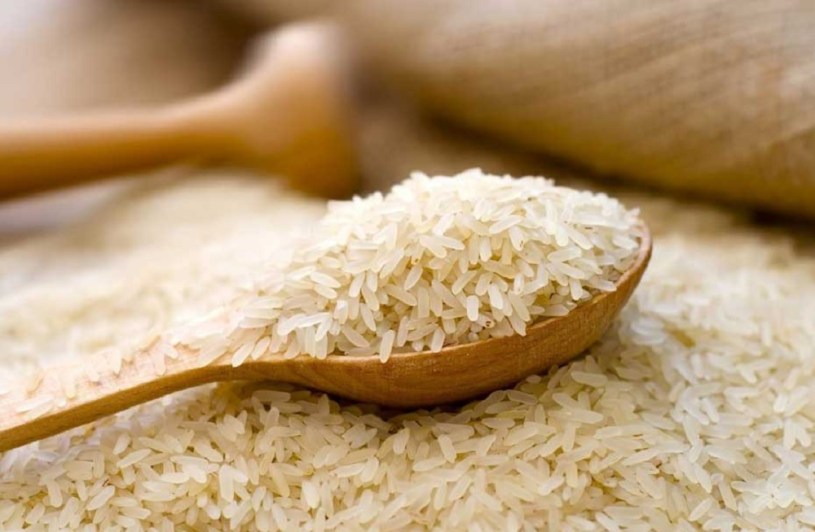
Grain Length and Aroma: The hallmark of quality basmati rice lies in its long, slender grains. When cooked, these grains elongate and remain separate, creating a delightful, fluffy texture. The aroma is another distinguishing factor, with the Indian best basmati rice exuding a captivating fragrance reminiscent of the fertile fields where it is cultivated.
Purity and Authenticity: Authenticity is the soul of basmati rice quality. To ensure you’re getting the real deal, look for certifications such as the Geographical Indication (GI) tag. This tag guarantees that the rice is grown in specific regions of India, where the unique climate and soil contribute to the distinct characteristics of basmati rice.
Ageing Process: Like fine wine, basmati rice gets better with age. The ageing process allows the grains to mature, enhancing their aroma and flavour. Opt for rice with a minimum ageing period of one year for the best results.
Cooking Characteristics: The best basmati rice cooks to perfection, with each grain retaining its integrity. It absorbs flavours well, making it an ideal companion for a variety of dishes. When cooked, the rice should have a light, fluffy texture, providing a sensory delight with every mouthful.
Choosing the Best Basmati Rice:
Now that we understand the quality standards, let’s navigate the market to find the Indian best basmati rice for your culinary adventures.
Brand Reputation: When it comes to basmati rice, sticking to reputable brands ensures you are investing in quality. Look for brands with a history of delivering authentic basmati rice that lives up to the highest standards.
Packaging and Certification: Examine the packaging for crucial information. Genuine basmati rice will carry the Geographical Indication (GI) tag, assuring its origin. Check for additional certifications and quality labels that reflect the commitment of the brand to deliver premium rice.
Ageing Information: Aged rice is a key indicator of quality. Choose rice that clearly states its ageing period, preferably one year or more. This ensures that you’re not just buying rice but investing in a rich and mature culinary experience.
Customer Reviews: In the digital age, the experiences of fellow consumers can guide your choices. Look for customer reviews and testimonials to gauge the overall satisfaction with a particular brand of basmati rice.
Enhancing Your Culinary Journey:
Now that you’ve chosen the Indian best basmati rice, let’s explore how to make the most of this culinary gem in your kitchen.
Rinsing and Soaking: Begin by rinsing the rice under cold water to remove excess starch. For an extra touch, soak the rice for 30 minutes before cooking. This step ensures even cooking and fluffiness of the grains.
Cooking Methods: Basmati rice is versatile and can be cooked using various methods. The absorption method, where rice is cooked in a measured amount of water, is popular for achieving perfect results. Experiment with other techniques like steaming or using a rice cooker to find your preferred method.
Spice It Up: Elevate the flavour of your basmati rice by adding aromatic spices during the cooking process. Cinnamon sticks, cardamom pods, and bay leaves infuse the rice with an extra layer of fragrance that complements a wide range of dishes.
Pairing Perfection: The best basmati rice deserves equally exceptional companions. Whether it’s a rich curry, grilled vegetables, or a succulent piece of meat, basmati rice complements a myriad of flavours. Experiment with different pairings to discover your own culinary symphony.
Conclusion:
In the world of grains, basmati rice reigns supreme, offering a culinary experience like no other. Understanding the basmati rice quality standards is the first step towards unlocking the full potential of this aromatic delight. By choosing the Indian best basmati rice, adhering to proper cooking techniques, and experimenting with flavours, you can turn every meal into a memorable occasion. So, embark on a flavorful journey, grind those grains with care, and savour the magic of basmati rice with every delightful bite.
 Food Recipes Ideas